

Fixed or Variable Home Loan: Which is Right for You?
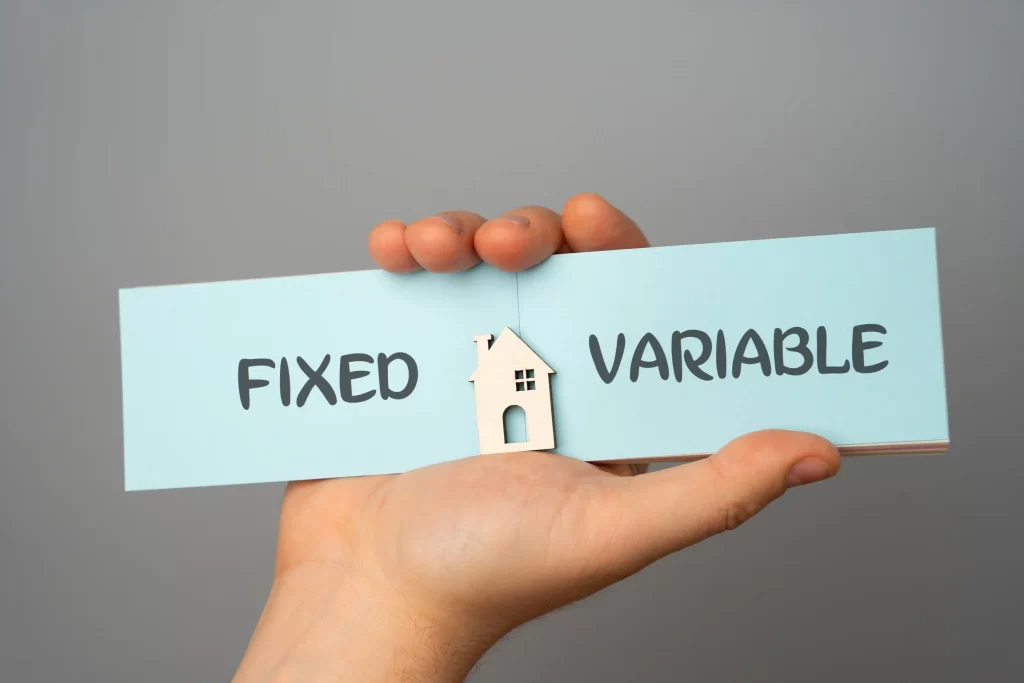
Choosing between a fixed or variable home loan is one of the biggest decisions you’ll make when buying or refinancing a property in Australia. With the RBA cash rate sitting at 3.85% after the recent February hike, and markets watching closely for what comes next (possible hold in March but talk of further moves if inflation stays sticky), your choice can make a real difference to your monthly budget, long-term costs, and peace of mind.
Variable rates move with the market — often tracking the cash rate — while fixed rates lock you in for a set period, usually one to five years. Neither is always “better”; it depends on your situation, risk tolerance, and what you value most: certainty or flexibility.
Here’s a clear breakdown of both options, with pros, cons, and when each might suit you best.
1. What is a Variable Home Loan?
Your interest rate can change over time, usually in line with RBA decisions or your lender’s moves. Most Australian home loans start as variable, and many stay that way.
Pros of Variable Rates
- Often start lower than fixed rates right now, meaning potentially cheaper repayments from day one.
- More flexibility: make extra repayments without penalties, use offset accounts to reduce interest, redraw funds if needed, and switch lenders more easily later.
- Benefit if rates fall — your repayments drop (or you pay the same and chip away faster at the principal).
- No break costs if you want to refinance or pay off early.
Cons of Variable Rates
- Uncertainty: repayments can rise if the RBA hikes again or lenders pass on costs.
- Harder to budget tightly if you’re worried about rate increases squeezing your cash flow.
- In a rising rate environment, you feel the pain immediately.
2. What is a Fixed Home Loan?
You lock in the same interest rate for a chosen term (commonly 1–5 years). Repayments stay exactly the same during that period, regardless of what happens to the cash rate.
Pros of Fixed Rates
Not sure where to start?
Speak with our team about your situation, no obligation.
- Predictability: know your exact repayment amount every month — great for budgeting, especially with family expenses or if you’re on a set income.
- Protection against rate rises: if the RBA pushes rates higher, you’re shielded until the fixed term ends.
- Peace of mind in uncertain times, like now with inflation pressures lingering.
Cons of Fixed Rates
- Usually higher starting rate than current variable offers, so you might pay more upfront.
- Miss out if rates drop — you’re stuck paying the locked rate while others enjoy lower repayments.
- Less flexibility: extra repayments often limited or penalised, no (or restricted) offset accounts on many fixed products, and break costs if you refinance or pay out early during the term.
- At the end of the fixed period, you roll onto variable (often higher than market) unless you refix or switch.
3. When a Variable Home Loan Might Be Right for You
- You’re comfortable with some uncertainty and want the lowest possible starting rate.
- You plan to make extra repayments or use an offset to cut interest faster.
- You think rates might stabilise or even fall in the medium term.
- Flexibility matters — maybe you’re planning life changes (renovations, job moves) or want options to refinance without big exit fees.
- You’re an investor who values tax-deductible interest and cash flow options.
4. When a Fixed Home Loan Might Be Better
- You prioritise certainty above all — fixed repayments help you sleep better at night.
- You’re risk-averse and worried about further rate hikes hitting your budget hard.
- Your finances are tight, and you need to lock in costs for planning (e.g., family on one income, upcoming big expenses).
- You’re buying in a rising rate environment and want protection for the next few years.
5. The Split Loan Option: Best of Both Worlds?
Many borrowers split their loan — part fixed, part variable. For example, fix half for peace of mind on the core repayment, keep the other half variable for flexibility and potential savings. This hedges your bets: you get some certainty while still benefiting if rates drop or you want to make extra payments.
6. Other Things to Consider in the Current Environment

- Compare apples to apples: look at comparison rates (which include fees) not just headline rates.
- Check break fees on fixed loans — they can be thousands if you exit early.
- Think about your loan term and life stage: shorter fixed periods (1–3 years) give more options to reassess sooner.
- Use tools like the MoneySmart home loan calculator to model scenarios with different rate paths.
- Talk to a broker or advisor — they can access rates and features you might miss shopping around yourself.
7. How to Decide: Quick Checklist
- Do you hate surprises in your budget? → Lean fixed or split.
- Do you want to smash the debt faster with extras or offsets? → Variable shines.
- Are rates likely to rise more short-term? → Fixed offers protection.
- Can you handle potential increases? → Variable could save you money overall.
Wrapping It Up: Choose What Fits Your Life, Not Just the Headline Rate
In 2026, with the cash rate at 3.85% and uncertainty around inflation and future moves, there’s no one-size-fits-all answer. Variable gives flexibility and often lower costs if rates ease; fixed delivers certainty when you need it most. Many find splitting the loan strikes the perfect balance.
The smartest choice is the one that matches your goals, risk level, and cash flow — clear and tailored, much like a simple stickman that shows exactly where you’re headed.
If you’re weighing fixed vs variable for a new purchase, refinance, or restructure — or just want a second opinion on your current setup — the team at Stickman Wealth can guide you through it. As a Sydney-based financial planning and mortgage broking practice founded in 2014, We specialise in helping professional families find the right home loan strategy that aligns with your overall wealth goals, without the unnecessary complexity.
